



- Blog
- Innovative Housing: The Potential of Modular and Prefab Homes in Canada
Innovative Housing: The Potential of Modular and Prefab Homes in Canada
 January 9, 2025
As housing affordability and environmental sustainability become increasingly critical issues, modular and prefab homes are emerging as innovative solutions in Canada’s housing market. These homes offer a blend of efficiency, affordability, and eco-consciousness, positioning themselves as a viable alternative to traditional construction methods.
This blog explores the growing potential of modular and prefab homes in Canada and their role in addressing the nation’s housing challenges.
What Are Modular and Prefab Homes?
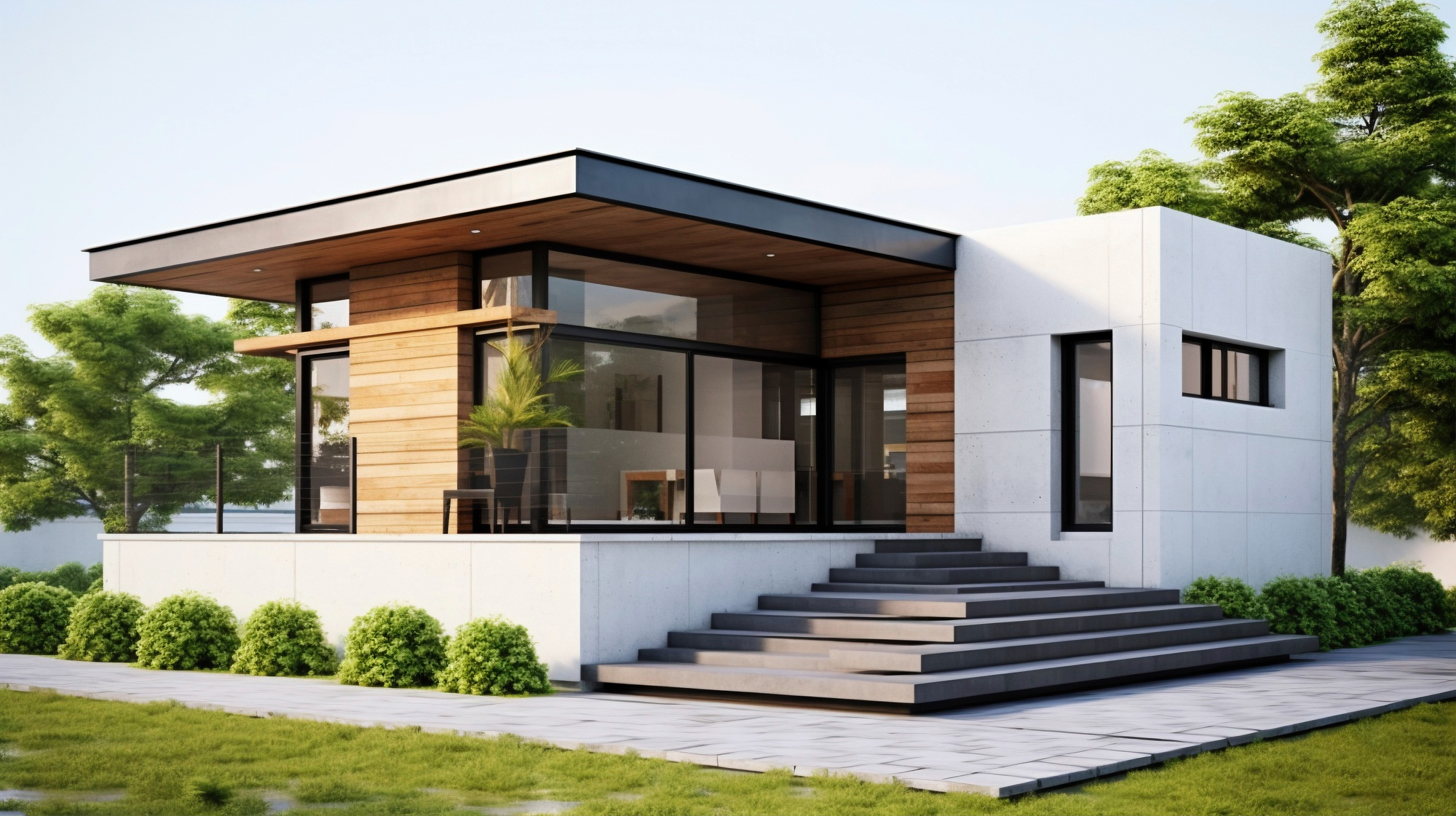
Modular and prefab homes are manufactured in sections or modules in a factory setting and then transported to the construction site for assembly. This streamlined process allows for greater control over quality, reduced construction time, and minimized material waste.
Key Types of Prefab Homes :
- Modular Homes : Built in modules that are assembled on-site.
- Panelized Homes : Composed of pre-constructed panels.
- Kit Homes : Shipped as a package with all components included for assembly.
- Tiny Prefab Homes : Compact, cost-effective options ideal for urban or rural settings.
Advantages of Modular and Prefab Homes
The following are the advantages of Modular And Prefab Homes :
1. Affordability
Prefab homes are often more cost-effective than traditional homes due to streamlined construction processes, bulk material purchasing, and reduced labor costs. In a country where housing affordability is a pressing concern, these homes present an attractive option for first-time buyers, retirees, and those looking to downsize.
2. Speed of Construction
Factory production and site preparation can occur simultaneously, significantly reducing construction timelines. A prefab home can be move-in ready in a matter of weeks, compared to months or years for traditional builds.
3. Sustainability
Prefab homes generate less waste during construction and often incorporate energy-efficient designs and materials. Many manufacturers offer options for solar panels, high-performance insulation, and smart home technology, aligning with Canada’s sustainability goals.
4. Customization
Despite being pre-manufactured, modular and prefab homes offer extensive customization options. Buyers can choose layouts, finishes, and eco-friendly upgrades tailored to their needs.
Challenges Facing Modular and Prefab Homes in Canada
1. Regulatory Barriers
Building codes and zoning laws vary widely across provinces and municipalities, which can complicate approvals for prefab construction.
2. Perception Issues
Many people associate prefab homes with outdated mobile homes or temporary structures. Raising awareness about their quality and long-term durability is essential.
3. Logistics and Transportation Costs
Transporting modules to remote or rural areas can be costly, offsetting some of the affordability benefits.
Construction Cost
The cost of a modular home is influenced by several factors, including its size and design, the price of the land, and the specific conditions of the site where the home will be installed. Additionally, location and logistics play a significant role in determining overall expenses. However, due to streamlined construction timelines and reduced labor requirements, prefab homes often present a more cost-effective alternative to traditional homes, especially in certain regions.
One of the key advantages of modular homes is the potential for fixed costs associated with factory-built modules. Manufacturing facilities typically offer standard designs that can be tailored through material choices and upgrades, ensuring a level of customization while maintaining transparency in pricing. Despite these benefits, the prefab housing industry still needs to scale up production significantly for costs to decrease and for its full potential as an affordable housing solution to be realized.
Selecting A Good Manufacturer
If you’re considering a modular home, your first major step is selecting a manufacturer that aligns with your specific needs and preferences.
Begin by conducting thorough research, both online and through recommendations from others. Gather multiple quotes and compare various options in terms of cost, materials, and design flexibility. Once you’ve narrowed down your choices, reach out to the manufacturers on your shortlist. Use this opportunity to ask detailed questions about their experience, products, and processes.
For instance, inquire about how long they’ve been constructing modular homes, the types of homes they specialize in, and the materials they use. Find out about their construction timelines and whether they offer customization options to suit your unique requirements or if you’ll need to select from pre-designed models. Additionally, clarify whether they provide comprehensive services, including site preparation, foundation work, delivery, and complete assembly, or if their role is limited to building and delivering the components.
At TopHomeSellers, we simplify this process by connecting you with reputable manufacturers in your area. With our guidance, you can save valuable time and ensure you find a builder who delivers exactly what you need, with no unnecessary extras.
Things You Need To Consider
When it comes to modular homes, there are some unique considerations compared to traditional housing. While many financial institutions do provide mortgage options for prefab homes, the timing, eligibility criteria, and specific rules may differ from those of conventional homes, so it’s important to clarify these details early in the process.
Home insurance is another area that may be impacted by owning a modular home. Additionally, it’s crucial to ensure that your prefab home complies with all Canadian Standards Association (CSA) regulations and local building codes before it leaves the factory.
Another key factor is the variation in rules across provinces and municipalities. Requirements for building permits, as well as eligibility for new home warranties, can differ significantly depending on your location. To avoid surprises, consult your local authorities for accurate information, or seek guidance from a knowledgeable REALTOR®.

Future Outlook
The future of modular and prefab homes in Canada looks promising, with advancements in technology and increasing demand for affordable, sustainable housing. Key trends to watch include :
- Smart Home Integration : Prefab homes equipped with IoT devices and energy-efficient systems.
- Urban Infill Projects : Using modular homes to optimize land use in urban areas.
- Net-Zero Housing : Expanding prefab options that produce as much energy as they consume.
Government Initiatives Driving Housing Solutions Forward
According to the Canada Mortgage and Housing Corporation (CMHC), Canada must construct an additional 3.5 million homes by 2030 to improve housing affordability. However, housing supply has been slow to respond to rising demand. Immigration can increase rapidly, but housing often takes years to adjust to unexpected surges in demand. As a result, CMHC has revised its projection for the number of housing units in Canada by 2030, lowering it from 18.6 million to 18.2 million.
Both CMHC and the federal government view prefab housing as a viable solution to help bridge this gap. Earlier this year, the federal government announced a $600 million investment to accelerate the construction of prefab homes across the country. Additionally, the government is developing a catalogue of pre-approved house designs to streamline construction and reduce costs.
Provinces and municipalities are also taking steps to support the prefab housing sector. In Ontario, the provincial government is creating a modular housing framework to pre-qualify manufacturers and encourage the development of modular homes. The City of Toronto has launched its Modular Housing Initiative, aiming to build up to 1,000 modular homes for individuals experiencing homelessness or at risk of becoming homeless.
In British Columbia, new legislation requires municipalities to amend bylaws to facilitate the construction of more secondary and laneway homes, including modular units. The Regional District of Okanagan-Similkameen set an example in 2016 by amending its zoning bylaws to permit CSA-compliant modular homes in areas zoned for single detached houses.
These initiatives highlight the growing role of prefab housing in addressing Canada’s housing shortfall and improving affordability nationwide.

Team Bajwa Can Help You
Many homebuyers still have questions and concerns about purchasing a modular or prefab home. That’s where experienced REALTORS®, such as Mr. Kulbir Bajwa and Mr. Jasbir Bajwa, can provide invaluable assistance. By working with TEAM BAJWA, buyers can find the right land and benefit from expert advice on crucial aspects like modular access and the logistics of delivering finished modules to the building site.
In addition to addressing your questions, TEAM BAJWA leverages a network of industry professionals to help you identify the best manufacturers for your needs. They can guide you through the pros and cons of prefab construction, assist with navigating building permits or mortgage qualifications, and negotiate the most favorable deal for both the land and the build. With TEAM BAJWA by your side, the process of purchasing and constructing a modular home becomes significantly smoother and more efficient.
Recent Post